Fixing Plumbing Systems in Your Basement: A Homeowner’s Guide

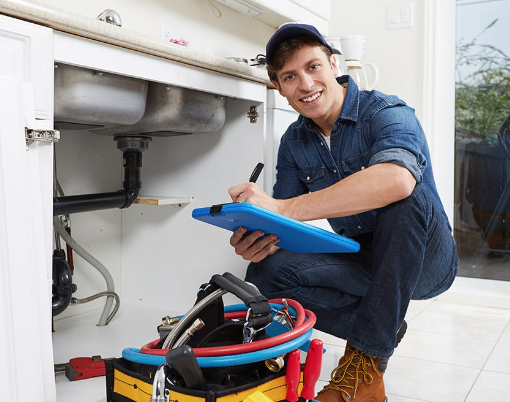
The basement is one of the most critical areas of a home when it comes to plumbing. It houses essential systems such as water heaters, sump pumps, and drain lines, all of which play a vital role in keeping your home dry and functioning properly. However, because it’s below ground, the basement is also prone to leaks, flooding, and drainage issues, which can lead to serious damage if not addressed promptly.

Whether you’re dealing with burst pipes, clogged drains, or outdated plumbing, knowing how to fix and maintain your basement’s plumbing system is essential. Here’s a guide to common basement plumbing problems and how to fix them.

1. Identifying Basement Plumbing Issues

Before you start fixing anything, it’s important to identify the source of the problem. Some common plumbing issues in basements include:

  • Leaks and moisture buildup – Water dripping from pipes or pooling on the floor.
  • Clogged or slow basement drains – Standing water around floor drains.
  • Sump pump failure – Water collecting around the foundation due to a broken pump.
  • Sewage backups – Foul odors and wastewater coming up from drains.
  • Burst pipes – Often caused by freezing temperatures in winter.

Once you identify the issue, you can move on to the right fix.

2. Fixing Leaky Pipes and Moisture Issues

Leaky pipes in the basement can be caused by loose fittings, corrosion, or cracks in the plumbing. To fix them:

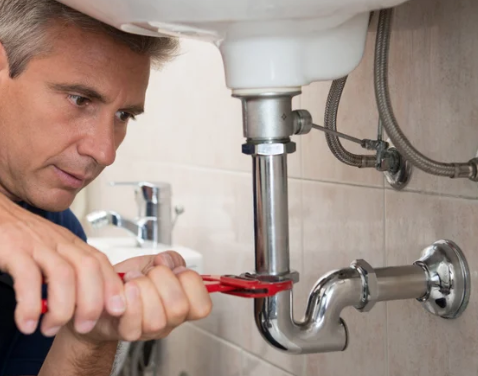
  • Tighten pipe connections with a wrench if leaks are coming from joints.
  • Replace damaged sections of pipe if corrosion is visible.
  • Use plumber’s tape or epoxy sealant for small cracks or pinhole leaks as a temporary fix.
  • Insulate exposed pipes to prevent future leaks due to condensation or freezing.

If your basement walls or floor are damp but you can’t find a leak, it could be foundation seepage. In that case, you may need to install a dehumidifier or waterproof the basement walls to control moisture.

3. Unclogging Basement Drains

A slow or clogged basement drain can lead to standing water, flooding, and foul odors. To clear a clogged drain:

  • Use a plunger to break up minor blockages.
  • Try a plumbing snake (drain auger) to remove deeper clogs.
  • Pour hot water and baking soda down the drain to dissolve grease and debris.
  • If the drain still won’t clear, you may need a professional drain cleaning service to remove deep blockages.

Tip: To prevent future clogs, install a drain cover to catch debris and avoid flushing large items down basement sinks or floor drains.

4. Repairing or Replacing a Faulty Sump Pump

A sump pump is designed to remove excess water from the basement and prevent flooding. If your basement is damp or flooding frequently, the sump pump may not be working properly. Here’s how to troubleshoot it:

  • Check the power supply – Make sure the pump is plugged in and getting power.
  • Test the float switch – Pour water into the sump pit to see if the pump activates.
  • Clear debris from the pump intake to prevent clogging.
  • Replace the pump if it’s old or not functioning properly.

If you live in an area prone to heavy rainfall, consider installing a backup sump pump or battery-powered pump in case of power outages.

5. Dealing With Sewer Backups

A sewer backup in the basement is one of the most serious plumbing problems a homeowner can face. It can be caused by:

  • Tree roots invading sewer lines
  • Blockages from grease, paper, or non-flushable items
  • Collapsed or damaged sewer pipes

To fix a sewer backup:

  1. Stop using all water sources in the house to prevent more waste from backing up.
  2. Try a plumbing snake to clear any small blockages.
  3. Call a professional plumber if the backup persists, as they may need to use a sewer camera to inspect and repair the pipes.

Preventative Tip: Have your sewer lines inspected and cleaned annually to catch problems before they escalate.

6. Preventing Frozen and Burst Pipes

If you live in a cold climate, the pipes in your basement can freeze in winter, leading to bursts and major water damage. To prevent frozen pipes:

  • Insulate exposed pipes with foam insulation sleeves.
  • Keep the basement heated during winter months.
  • Let faucets drip slightly during extreme cold to keep water flowing.
  • Seal any cracks in basement walls to prevent cold air from reaching pipes.

If a pipe freezes but hasn’t burst, use a hairdryer or heat lamp to slowly thaw it—never use an open flame!

7. Updating Old Basement Plumbing

Many older homes, especially in Atlanta have outdated basement plumbing systems made from galvanized steel or cast iron, which are prone to rust and corrosion. If your basement plumbing is decades old, consider upgrading to modern materials such as:

  • PEX piping – Flexible, durable, and resistant to freezing.
  • PVC drain lines – Long-lasting and corrosion-resistant.
  • Copper pipes – Ideal for high-pressure water lines.

Upgrading plumbing can prevent future leaks, improve water flow, and increase your home’s value. If you’re from Atlanta, make sure to have Atlanta basement renovation team on your side.

Final Thoughts: Keep Your Basement Plumbing in Top Shape

Your basement’s plumbing system is a crucial part of your home’s infrastructure. Ignoring small leaks or failing to maintain sump pumps and drains can lead to serious water damage, costly repairs, and even structural issues.

By taking preventative measures, performing routine maintenance, and fixing problems promptly, you can keep your basement dry and your plumbing system running smoothly. And if you’re ever in doubt, call a professional plumber before a minor issue turns into a major headache!
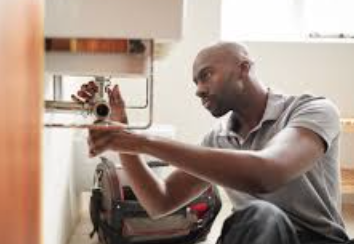
Plumbing and Drainage: Essential Maintenance for a Healthy Home

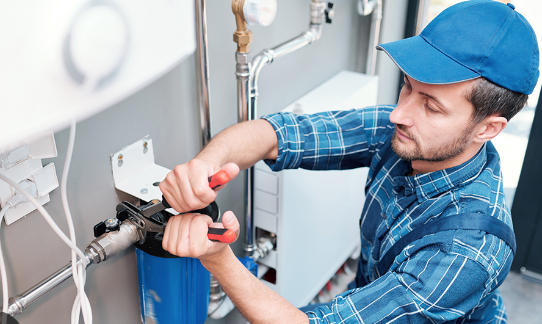
A well-functioning plumbing and drainage system is the backbone of any home, ensuring that clean water flows in and wastewater flows out efficiently. Without proper maintenance, issues like leaks, clogged drains, or water damage can become costly and disruptive. Whether you’re a homeowner or property manager, understanding the importance of good plumbing and drainage can help prevent major problems before they arise.

Here’s why plumbing and drainage should be a priority, along with key tips for keeping your system in top shape.

Why Plumbing and Drainage Matter

Plumbing is more than just pipes and faucets—it’s a complex network that affects your daily life. Poor plumbing can lead to:

  • Water damage – Leaks or broken pipes can weaken structures, cause mold growth, and increase repair costs.
  • Health hazards – Standing water from clogged drains can lead to bacteria buildup and unpleasant odors.
  • Higher utility bills – Leaks and inefficient water use can significantly increase water bills.
  • Structural problems – Poor drainage can cause soil erosion, foundation cracks, and basement flooding.

By proactively maintaining your plumbing and drainage, you save money, protect your home, and ensure a healthier living environment.

1. Prevent Clogged Drains with Simple Habits

One of the most common plumbing issues is clogged drains, which can slow water flow and create unpleasant backups. To keep your drains clear:

  • Avoid pouring grease down the drain – Grease solidifies and causes blockages. Instead, dispose of it in the trash.
  • Use drain strainers – These catch hair, food particles, and debris before they enter the pipes.
  • Flush with hot water – Running hot water down your kitchen sink after washing dishes helps clear any lingering grease.
  • Be mindful of what goes down the toilet – Only flush toilet paper and human waste. Wipes, feminine hygiene products, and paper towels should be disposed of properly.

By following these simple habits, you can prevent costly plumbing repairs and keep your drains flowing smoothly.

2. Regularly Inspect for Leaks

Leaks are often silent but costly. A dripping faucet or hidden pipe leak can waste thousands of gallons of water per year, increasing your water bill and potentially causing damage.

How to Check for Leaks:

  • Monitor your water bill – A sudden spike in usage could indicate a hidden leak.
  • Inspect under sinks and appliances – Look for moisture, mold, or water stains.
  • Check your water meter – Turn off all water sources and see if the meter still moves. If it does, there may be a leak.
  • Listen for unusual sounds – Hissing or dripping sounds behind walls could indicate a leak.

Catching leaks early can save hundreds of dollars in repairs and prevent water damage.

3. Keep Your Sewer Line Clear

A blocked sewer line can lead to major plumbing disasters, including sewage backups and foul odors in your home. Prevent issues by:

  • Avoiding tree root interference – Tree roots can invade sewer lines and cause blockages. If you have trees near your pipes, consider a professional inspection.
  • Being cautious with garbage disposals – Fibrous foods like celery and potato peels can clog drains.
  • Scheduling professional drain cleaning – A professional plumber can remove buildup and prevent major blockages.

A well-maintained sewer line ensures a clean and hygienic home environment.

4. Maintain Outdoor Drainage to Prevent Flooding

Good outdoor drainage is essential for protecting your home’s foundation and preventing water damage. Without proper drainage, excess rainwater can pool around your property, leading to erosion, basement leaks, and foundation cracks.

Outdoor Drainage Tips:

  • Clean your gutters regularly – Clogged gutters cause water to overflow, leading to foundation issues.
  • Ensure downspouts direct water away – Extend downspouts at least six feet away from your home.
  • Check for low spots in your yard – If water pools after rain, consider regrading your yard or installing a French drain.

By controlling water flow around your home, you reduce the risk of costly damage.

5. Know When to Call a Professional Plumber

While DIY maintenance is helpful, some plumbing problems require professional expertise. Call a plumber if you notice:

  • Persistent low water pressure – This could indicate a hidden pipe issue.
  • Recurring clogs – If plunging or chemical drain cleaners don’t work, you may have a deeper blockage.
  • Discolored water – Rusty or brown water could mean corroded pipes.
  • Sewage smells – Strong odors from drains suggest a serious sewer issue.

A professional plumber can diagnose underlying problems and prevent bigger emergencies.

6. Winterize Your Pipes to Avoid Freezing

In colder climates, frozen pipes can burst, causing expensive damage. Protect your plumbing by:

  • Insulating exposed pipes – Wrap pipes in garages, basements, and crawl spaces.
  • Letting faucets drip in extreme cold – This prevents pressure buildup that can lead to bursting.
  • Sealing air leaks – Close gaps near pipes to keep cold air out.
  • Keeping the heat on – Even if you’re away, maintain indoor temperatures above 55°F (13°C).

Taking these precautions can save you from costly winter plumbing repairs.

7. Upgrade Old Plumbing for Long-Term Efficiency

If your home has old or outdated plumbing, it might be time for an upgrade. Older pipes can develop leaks, corrosion, and inefficiencies that increase water usage and decrease property value.

Plumbing Upgrades to Consider:

  • Switch to PEX or copper pipes – These are durable and less prone to leaks.
  • Install a tankless water heater – More energy-efficient and provides hot water on demand.
  • Upgrade to low-flow fixtures – Reduce water consumption without sacrificing performance.

Investing in modern plumbing can enhance comfort, increase home value, and reduce long-term costs.

Final Thoughts: A Well-Maintained Plumbing System is a Happy Home

Your home’s plumbing and drainage system plays a crucial role in everyday comfort and functionality. By following regular maintenance practices, preventing common issues, and upgrading outdated systems, you can ensure a smooth and stress-free living experience.

Whether you’re dealing with a minor clog, a leaky faucet, or planning major plumbing renovations, staying proactive helps protect both your home and your wallet. If you live in Hamilton, we would recommend Hamilton drainage for your plumbing and drainage needs.

6 Plumbing Mistakes That Can Be Traumatic for Homeowners

Plumbing is one of the most essential systems in any home, yet it’s often taken for granted—until something goes terribly wrong. A single plumbing mistake can quickly turn into a nightmare, causing water damage, expensive repairs, and overwhelming stress. Some mistakes are minor inconveniences, while others can be downright traumatic for homeowners, leading to major disruptions and even long-term property damage.

Here are six common plumbing mistakes that can cause serious trouble and how to avoid them before they become disasters.

1. Ignoring Small Leaks Until They Become Major Problems

A slow-dripping faucet or a tiny leak under the sink might not seem like a big deal, but ignoring it can lead to devastating consequences over time. Small leaks can cause:

  • Mold and mildew growth – Leading to health issues like allergies and respiratory problems.
  • Structural damage – Water seeps into walls, floors, and ceilings, weakening the home’s foundation.
  • Skyrocketing water bills – A single dripping faucet can waste thousands of gallons of water per year.

Homeowners often overlook leaks until they become full-blown emergencies—like a pipe bursting in the middle of the night. To avoid this traumatic situation, always address leaks immediately, no matter how small they seem.

2. DIY Plumbing Without Proper Knowledge

While many homeowners love a good DIY project, plumbing isn’t something to experiment with unless you’re confident in your skills. Attempting to fix pipes, install water heaters, or repair toilets without proper knowledge can lead to:

  • Incorrect pipe connections – Causing leaks or even contamination of drinking water.
  • Water pressure issues – If pipes are improperly installed, they may burst under pressure.
  • Sewage backups – Mishandling drain systems can lead to disastrous clogs and overflows.

Plumbing is not a trial-and-error activity. A simple mistake could flood your home or cause permanent damage, leaving you with thousands of dollars in repairs. If you’re unsure about a plumbing job, it’s always best to call a professional rather than risk a traumatic disaster.

3. Flushing the Wrong Things Down the Toilet

Toilets are designed to handle human waste and toilet paper—nothing else. Yet, many homeowners flush things like:

  • Wipes (even “flushable” ones)
  • Feminine hygiene products
  • Cotton swabs
  • Paper towels
  • Hair
  • Cooking grease or oil

These items don’t break down properly, leading to severe blockages in the pipes. The result? Overflowing toilets, sewage backups, and a potential plumbing nightmare.

There’s nothing more traumatic than waking up to sewage backing up into your home. To avoid this, make sure everyone in your household knows what can and cannot be flushed.

4. Forgetting to Winterize Pipes in Cold Climates

Frozen pipes are one of the most devastating plumbing disasters a homeowner can face. When temperatures drop, water inside exposed pipes can freeze, causing them to expand and eventually burst. This leads to:

  • Severe flooding inside the home
  • Ruined drywall, flooring, and personal belongings
  • Thousands of dollars in repair costs

For homeowners in cold climates, winterizing your plumbing is crucial. Insulate exposed pipes, let faucets drip during freezing temperatures, and keep your home warm enough to prevent freezing. Failing to do so can result in a traumatic plumbing catastrophe that leaves you without water—or even without a livable home.

5. Overusing Chemical Drain Cleaners

When a sink or shower drain clogs, many homeowners reach for chemical drain cleaners as a quick fix. However, these products can cause more harm than good over time.

  • Harsh chemicals corrode pipes, leading to leaks and eventual pipe failure.
  • They don’t always solve the problem, especially for deep or solid blockages.
  • Chemical exposure is dangerous, especially for children and pets.

If used excessively, chemical cleaners weaken the plumbing system, making future leaks and breakdowns inevitable. Instead, use a plunger, drain snake, or call a plumber to properly clear stubborn blockages.

6. Neglecting Regular Plumbing Inspections

Many homeowners only think about plumbing when something goes wrong. But by the time you notice a problem, it might already be too late. Neglecting regular inspections and maintenance can lead to:

  • Hidden pipe corrosion – Weakening the system until it fails suddenly.
  • Slow, unnoticed leaks – Causing mold, water damage, and even foundation issues.
  • Drain buildup – Leading to major clogs that require expensive professional intervention.

Scheduling an annual plumbing inspection can prevent traumatic surprises, ensuring that minor issues are fixed before they escalate into full-blown disasters.

Final Thoughts: Avoiding Plumbing Nightmares

Plumbing mistakes can range from mild annoyances to full-blown disasters, but many are completely avoidable with proper care and attention. By staying proactive and avoiding these common pitfalls, homeowners can save time, money, and emotional distress.

If you ever face a plumbing issue that seems beyond your control, don’t hesitate to call in the experts—it’s always better to fix a small problem before it becomes a major trauma! As a side note, trauma healing can take time but fixing small problems with your plumbing systems can make a huge difference already.

Green Plumbing: Sustainable Solutions for a Greener Home

In an era where environmental consciousness is increasingly prioritized, adopting sustainable practices in every aspect of our lives has become essential. This includes our plumbing systems, which play a significant role in water conservation, energy efficiency, and reducing our ecological footprint. In this comprehensive guide, we’ll explore the concept of green plumbing and highlight sustainable solutions that homeowners can implement to create a greener home.

1. Understanding Green Plumbing

Green plumbing, also known as sustainable plumbing or eco-friendly plumbing, focuses on minimizing water usage, reducing energy consumption, and preventing pollution in the plumbing system. It involves the use of innovative technologies, eco-friendly materials, and water-saving practices to achieve these goals while maintaining the functionality and comfort of the home. By adopting green plumbing practices, homeowners can not only reduce their environmental impact but also save money on utility bills in the long run.

2. Water-Saving Fixtures and Appliances

One of the most effective ways to achieve water conservation in the home is by installing water-saving fixtures and appliances. Low-flow toilets, water-efficient showerheads, and aerated faucets are just a few examples of fixtures that use less water without sacrificing performance. Similarly, energy-efficient dishwashers and washing machines can reduce both water and energy consumption, further minimizing the home’s environmental footprint. By replacing outdated fixtures and appliances with water-saving alternatives, homeowners can significantly reduce their water usage and utility costs. Our family friend Lenny who is one of the top Las Vegas demolition contractors, works with plumbers pretty often. One of Lenny’s clients sink’s keeps running all day and all night, and he called Vegas plumbing to come out and make it more energy efficient and to stop running. Its quick fixes like these that can make anyone’s home more efficient all year round. 

3. Rainwater Harvesting Systems

Rainwater harvesting systems are another sustainable solution that homeowners can implement to reduce their reliance on municipal water supplies. These systems collect rainwater from rooftops and store it in tanks or cisterns for later use in irrigation, flushing toilets, and other non-potable applications. By harnessing rainwater for outdoor use, homeowners can conserve precious freshwater resources and reduce the strain on local water supplies, especially in areas prone to drought or water scarcity.

4. Greywater Recycling Systems

Greywater recycling systems offer another innovative way to conserve water and minimize waste in the home. These systems capture and treat wastewater from sinks, showers, and washing machines, allowing it to be reused for irrigation, toilet flushing, and other non-potable purposes. By recycling greywater onsite, homeowners can reduce their water usage, lower their utility bills, and minimize the environmental impact of their household activities. Additionally, greywater recycling systems can help alleviate pressure on municipal wastewater treatment facilities and reduce the risk of pollution in waterways.

5. Sustainable Plumbing Materials

In addition to water-saving fixtures and systems, choosing sustainable plumbing materials can further enhance the eco-friendliness of your home. For example, opting for pipes and fittings made from recycled or eco-friendly materials, such as copper, stainless steel, or cross-linked polyethylene (PEX), can reduce the environmental impact of your plumbing system. Similarly, selecting low-impact materials for fixtures, such as bamboo or recycled glass, can minimize resource consumption and waste generation. By prioritizing sustainable materials in your plumbing projects, you can create a more environmentally responsible home while supporting the growth of the green building industry.

In conclusion, green plumbing offers a wealth of opportunities for homeowners to reduce their environmental impact, conserve water and energy, and create a more sustainable home. Whether through water-saving fixtures, rainwater harvesting systems, greywater recycling, or sustainable materials, there are countless ways to implement eco-friendly practices in your plumbing system. By embracing green plumbing principles, homeowners can not only contribute to a healthier planet but also enjoy long-term savings and benefits for themselves and future generations.

The Importance of Regular Plumbing Maintenance: A Comprehensive Guide

As homeowners, we often take our plumbing systems for granted until something goes wrong. A clogged drain, a leaky faucet, or a burst pipe can quickly disrupt our daily lives and lead to costly repairs. However, by investing in regular plumbing maintenance, homeowners can prevent many of these common issues and ensure that their plumbing systems remain in optimal condition for years to come. In this comprehensive guide, we’ll explore the importance of regular plumbing maintenance and provide practical tips for keeping your plumbing system running smoothly.

1. Preventing Costly Repairs

One of the most significant benefits of regular plumbing maintenance is the prevention of costly repairs. By addressing small issues before they escalate into major problems, homeowners can avoid the expense and inconvenience of emergency plumbing repairs. For example, a minor leak may seem like a minor annoyance, but if left unchecked, it can lead to water damage, mold growth, and structural issues that require extensive repairs. By scheduling regular maintenance inspections, homeowners can identify and address potential problems early, saving time and money in the long run.

2. Extending the Lifespan of Your Plumbing System

Regular maintenance can also help extend the lifespan of your plumbing system. Over time, wear and tear can take a toll on pipes, fixtures, and appliances, leading to deterioration and eventual failure. However, by keeping your plumbing system well-maintained, you can prolong its lifespan and avoid premature replacements. For example, routine inspections can identify signs of corrosion or damage that may indicate the need for repairs or replacements. By addressing these issues promptly, homeowners can ensure that their plumbing system continues to function effectively for years to come.

3. Improving Water Efficiency

Another benefit of regular plumbing maintenance is improved water efficiency. Leaky faucets, running toilets, and other plumbing issues can waste significant amounts of water, leading to higher water bills and unnecessary strain on the environment. By addressing these issues through regular maintenance, homeowners can conserve water and reduce their utility costs. For example, replacing worn-out washers, seals, and other components can eliminate leaks and reduce water waste. Additionally, installing water-saving fixtures and appliances can further improve water efficiency and lower water usage.

4. Preventing Water Damage and Mold Growth

Water damage and mold growth are serious concerns for homeowners, often resulting from plumbing issues such as leaks, burst pipes, and clogged drains. Not only can water damage cause costly structural repairs, but it can also pose health risks to occupants by promoting mold growth and indoor air pollution. Regular plumbing maintenance can help prevent water damage by identifying and addressing potential issues before they escalate. For example, inspecting pipes for signs of corrosion or damage can help prevent leaks and burst pipes, while cleaning drains can prevent clogs that could lead to backups and overflows.

5. Ensuring Health and Safety

Finally, regular plumbing maintenance is essential for ensuring the health and safety of your household. Plumbing issues such as leaks, clogs, and backups can create unsanitary conditions and expose occupants to harmful bacteria and contaminants. By keeping your plumbing system well-maintained, you can reduce the risk of health hazards and ensure that your water supply remains clean and safe for consumption. For example, regular inspections can identify potential sources of contamination, such as corroded pipes or faulty sewage systems, allowing homeowners to take corrective action to protect their health and safety.

We were on a worksite this week and noticed that water was coming out of the wall and pored everywhere. Our client’s insulation needed to be replaced and we needed it done extremely fast. Luckily, my friend Jim, who owns insulation Richmond VA was able to help us quickly replace our clients insulation. Its partnerships like this make working easy. 

In conclusion, regular plumbing maintenance is essential for preserving the integrity and efficiency of your plumbing system. By investing in routine inspections, cleaning, and repairs, homeowners can prevent costly repairs, extend the lifespan of their plumbing system, improve water efficiency, prevent water damage and mold growth, and ensure the health and safety of their household. Whether you’re a new homeowner or a seasoned homeowner, scheduling regular plumbing maintenance is a wise investment that can save you time, money, and hassle in the long run.

Top 5 Common Plumbing Problems and How to Prevent Them

As a homeowner, encountering plumbing problems is almost inevitable. From minor annoyances like leaky faucets to more serious issues like burst pipes, plumbing problems can disrupt your daily routine and cause costly damage to your home if left unaddressed. In this comprehensive guide, we’ll explore the top five most common plumbing problems faced by homeowners and provide practical tips on how to prevent them.

1. Leaky Faucets

Leaky faucets are one of the most common plumbing issues homeowners face. Not only are they annoying due to the constant dripping sound, but they can also waste a significant amount of water over time, leading to higher water bills. The most common cause of a leaky faucet is a worn-out or faulty washer or O-ring.

Prevention: Regular maintenance is key to preventing leaky faucets. Inspect your faucets periodically for signs of wear and tear and replace any worn-out parts promptly. Additionally, consider installing water-saving aerators on your faucets to reduce water usage and minimize wear on the internal components.

2. Clogged Drains

Clogged drains are another common plumbing problem that can disrupt your daily routine. Whether it’s a clogged sink, shower drain, or toilet, blockages in your plumbing system can lead to slow drainage, foul odors, and even sewage backups if left untreated. Common causes of clogged drains include hair, soap scum, food debris, and mineral buildup.

Prevention: To prevent clogged drains, be mindful of what goes down your drains. Avoid pouring grease, coffee grounds, and other debris down the sink, and use drain guards to catch hair and other particles in the shower and bathroom sinks. Additionally, consider scheduling regular professional drain cleanings to remove any buildup and keep your drains flowing smoothly.

3. Running Toilet

A running toilet is not only wasteful but can also be a sign of a more serious plumbing issue. A constantly running toilet can waste hundreds of gallons of water per day, leading to sky-high water bills and potential damage to your plumbing system. Common causes of a running toilet include a faulty flapper valve, a malfunctioning fill valve, or a leaky flush valve seal.

Prevention: Regularly check your toilet for signs of running water, such as a constantly moving flapper or a hissing sound coming from the tank. If you notice any issues, promptly replace worn-out or faulty components to prevent water waste and potential damage to your toilet and plumbing system.

4. Low Water Pressure

Low water pressure can make everyday tasks like showering and washing dishes a frustrating experience. While low water pressure can be caused by various factors, such as mineral buildup in the pipes, a partially closed shut-off valve, or a faulty pressure regulator, it’s often a symptom of underlying plumbing issues that require attention.

Prevention: Regularly inspect your plumbing fixtures and pipes for signs of corrosion or mineral buildup, which can restrict water flow and lead to low water pressure. Additionally, ensure that all shut-off valves are fully open and functioning properly. If you notice a sudden drop in water pressure, contact a professional plumber to diagnose and address the issue promptly.

5. Burst Pipes

Burst pipes are one of the most serious plumbing emergencies homeowners can face, often resulting in extensive water damage and costly repairs. Common causes of burst pipes include freezing temperatures, corrosion, and high water pressure. It’s essential to address burst pipes immediately to minimize water damage and prevent mold growth and structural damage to your home.

Prevention: To prevent burst pipes, insulate exposed pipes in unheated areas of your home, such as the attic, basement, and crawl spaces, to protect them from freezing temperatures. Additionally, schedule regular inspections of your plumbing system to check for signs of corrosion, leaks, or other issues that could lead to pipe failure. If you’re going on vacation during the winter months, consider shutting off the main water supply and draining the pipes to prevent freezing and burst pipes in your absence.

Our colleague, Andrew Simmons offers the high quality plumbing and has been working in the plumbing industry for quite some time now. He told me one day they had a client that had a pipe that burst during the winter time and flooded the entire house. The client was devastated; luckily Andrew has 15 years of experience plumbing. Pipes bursting is a serious threat and can ruin anyone’s house without warning. Dont let it happen to you@

In conclusion, while plumbing problems are a common occurrence for homeowners, they can often be prevented with regular maintenance and prompt attention to any issues that arise. By following the preventive measures outlined in this guide, you can help safeguard your home against the most common plumbing problems and ensure that your plumbing system remains in top condition for years to come. Remember, when in doubt, it’s always best to enlist the help of a professional plumber to address any plumbing issues promptly and effectively.