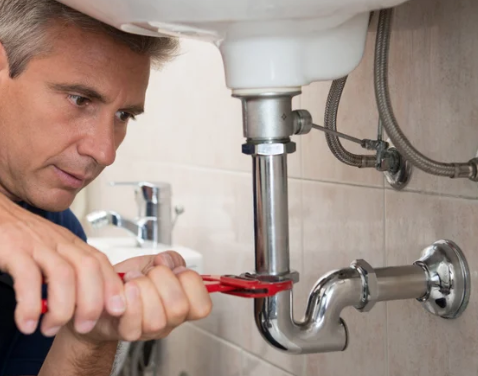
The basement is one of the most critical areas of a home when it comes to plumbing. It houses essential systems such as water heaters, sump pumps, and drain lines, all of which play a vital role in keeping your home dry and functioning properly. However, because it’s below ground, the basement is also prone to leaks, flooding, and drainage issues, which can lead to serious damage if not addressed promptly.
Whether you’re dealing with burst pipes, clogged drains, or outdated plumbing, knowing how to fix and maintain your basement’s plumbing system is essential. Here’s a guide to common basement plumbing problems and how to fix them.
1. Identifying Basement Plumbing Issues
Before you start fixing anything, it’s important to identify the source of the problem. Some common plumbing issues in basements include:
- Leaks and moisture buildup – Water dripping from pipes or pooling on the floor.
- Clogged or slow basement drains – Standing water around floor drains.
- Sump pump failure – Water collecting around the foundation due to a broken pump.
- Sewage backups – Foul odors and wastewater coming up from drains.
- Burst pipes – Often caused by freezing temperatures in winter.
Once you identify the issue, you can move on to the right fix.
2. Fixing Leaky Pipes and Moisture Issues
Leaky pipes in the basement can be caused by loose fittings, corrosion, or cracks in the plumbing. To fix them:
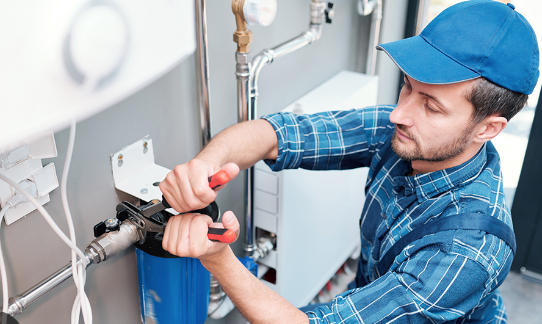
- Tighten pipe connections with a wrench if leaks are coming from joints.
- Replace damaged sections of pipe if corrosion is visible.
- Use plumber’s tape or epoxy sealant for small cracks or pinhole leaks as a temporary fix.
- Insulate exposed pipes to prevent future leaks due to condensation or freezing.
If your basement walls or floor are damp but you can’t find a leak, it could be foundation seepage. In that case, you may need to install a dehumidifier or waterproof the basement walls to control moisture.
3. Unclogging Basement Drains
A slow or clogged basement drain can lead to standing water, flooding, and foul odors. To clear a clogged drain:
- Use a plunger to break up minor blockages.
- Try a plumbing snake (drain auger) to remove deeper clogs.
- Pour hot water and baking soda down the drain to dissolve grease and debris.
- If the drain still won’t clear, you may need a professional drain cleaning service to remove deep blockages.
Tip: To prevent future clogs, install a drain cover to catch debris and avoid flushing large items down basement sinks or floor drains.
4. Repairing or Replacing a Faulty Sump Pump
A sump pump is designed to remove excess water from the basement and prevent flooding. If your basement is damp or flooding frequently, the sump pump may not be working properly. Here’s how to troubleshoot it:
- Check the power supply – Make sure the pump is plugged in and getting power.
- Test the float switch – Pour water into the sump pit to see if the pump activates.
- Clear debris from the pump intake to prevent clogging.
- Replace the pump if it’s old or not functioning properly.
If you live in an area prone to heavy rainfall, consider installing a backup sump pump or battery-powered pump in case of power outages.
5. Dealing With Sewer Backups
A sewer backup in the basement is one of the most serious plumbing problems a homeowner can face. It can be caused by:
- Tree roots invading sewer lines
- Blockages from grease, paper, or non-flushable items
- Collapsed or damaged sewer pipes
To fix a sewer backup:
- Stop using all water sources in the house to prevent more waste from backing up.
- Try a plumbing snake to clear any small blockages.
- Call a professional plumber if the backup persists, as they may need to use a sewer camera to inspect and repair the pipes.
Preventative Tip: Have your sewer lines inspected and cleaned annually to catch problems before they escalate.
6. Preventing Frozen and Burst Pipes
If you live in a cold climate, the pipes in your basement can freeze in winter, leading to bursts and major water damage. To prevent frozen pipes:
- Insulate exposed pipes with foam insulation sleeves.
- Keep the basement heated during winter months.
- Let faucets drip slightly during extreme cold to keep water flowing.
- Seal any cracks in basement walls to prevent cold air from reaching pipes.
If a pipe freezes but hasn’t burst, use a hairdryer or heat lamp to slowly thaw it—never use an open flame!
7. Updating Old Basement Plumbing
Many older homes, especially in Atlanta have outdated basement plumbing systems made from galvanized steel or cast iron, which are prone to rust and corrosion. If your basement plumbing is decades old, consider upgrading to modern materials such as:
- PEX piping – Flexible, durable, and resistant to freezing.
- PVC drain lines – Long-lasting and corrosion-resistant.
- Copper pipes – Ideal for high-pressure water lines.
Upgrading plumbing can prevent future leaks, improve water flow, and increase your home’s value. If you’re from Atlanta, make sure to have Atlanta basement renovation team on your side.
Final Thoughts: Keep Your Basement Plumbing in Top Shape
Your basement’s plumbing system is a crucial part of your home’s infrastructure. Ignoring small leaks or failing to maintain sump pumps and drains can lead to serious water damage, costly repairs, and even structural issues.
By taking preventative measures, performing routine maintenance, and fixing problems promptly, you can keep your basement dry and your plumbing system running smoothly. And if you’re ever in doubt, call a professional plumber before a minor issue turns into a major headache!